Zepbound Dosage Schedule: Week-by-Week Titration Chart + When Weight Loss Typically Starts

Zepbound Dosage Schedule: Week-by-Week Titration Chart + When Weight Loss Typically Starts

Starting Zepbound can feel exciting…and a little confusing. Most people hear “weekly injection” and assume the dose stays the same, but Zepbound is designed to increase gradually over time. That step-up approach is called titration, and it’s meant to help your body adjust while you work toward a dose that supports steady weight loss.

This guide breaks the Zepbound dosage schedule down in a simple, week-by-week chart you can reference any time. You’ll also learn when results usually start, what “maintenance dose” really means, what to do if you miss a dose, and practical tips for side effects.

Over The Border Meds helps Americans navigate medication access and affordability questions. Even when you’re following your prescriber’s plan exactly, having pharmacist support available can make it easier to stay consistent—especially during dose changes and refill timing.

Zepbound dosing in plain language

Zepbound (tirzepatide) is typically started at a low dose and increased slowly. The goal is to:

  • Reduce side effects (especially nausea and stomach upset)
  • Give your body time to adapt
  • Find the lowest dose that still helps you reach your goals

Most people don’t start at their long-term dose. Your prescriber will guide you step-by-step.

Zepbound dosage schedule reminder

  • Zepbound is usually injected once weekly on the same day each week.
  • Dose increases are commonly done in 2.5 mg steps.
  • Many people stay on each step for about 4 weeks before moving up.
  • Some people stay longer at a given dose if side effects are tough or if results are strong at that dose.

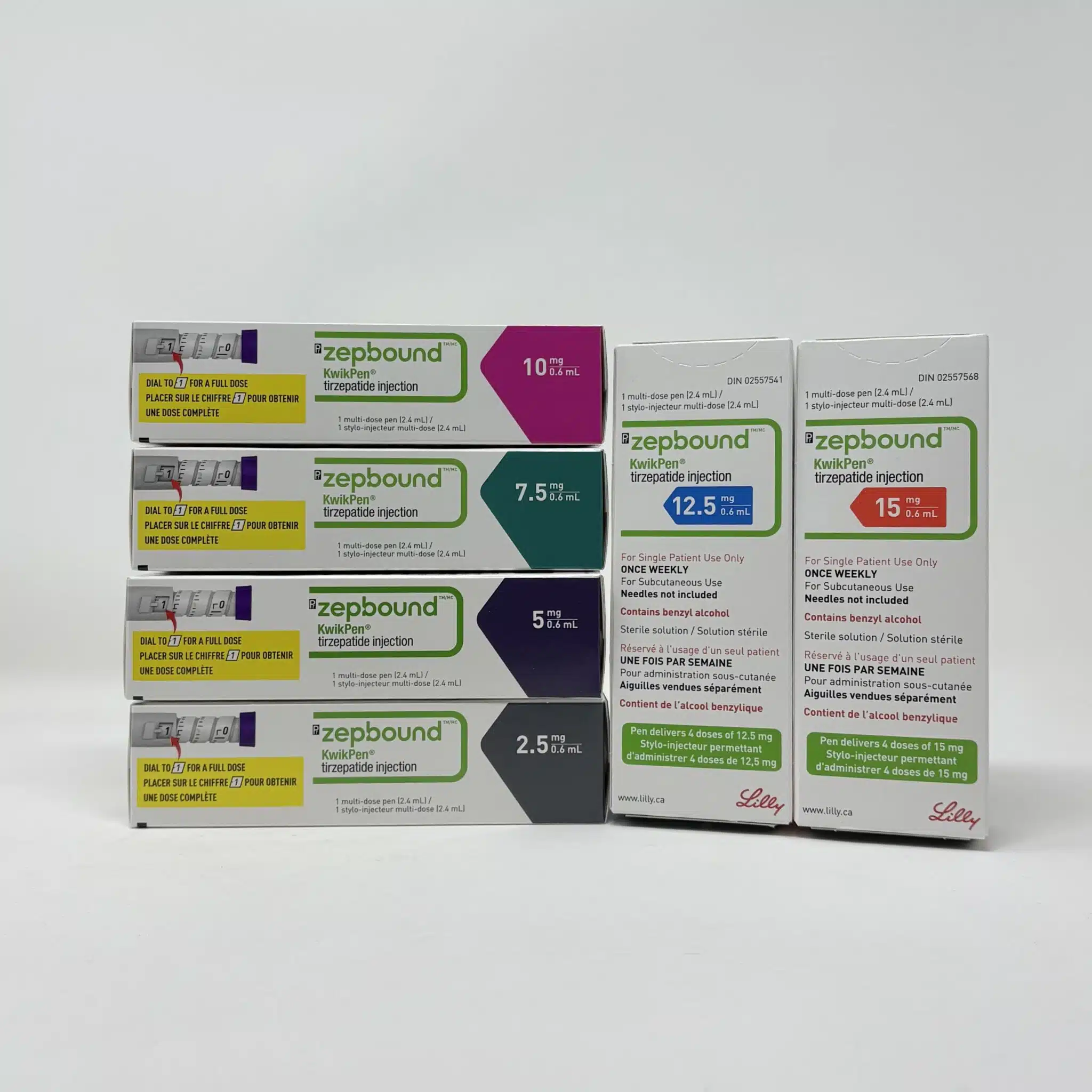
Week-by-week Zepbound titration chart

This is the most common titration schedule used in practice. Your prescriber may adjust it based on how you feel and how you’re responding.

Weeks 1–4

  • 2.5 mg once weekly
  • This is the starter dose to help your body adjust.

Weeks 5–8

  • 5 mg once weekly
  • Many people begin noticing more consistent appetite changes here.

Weeks 9–12

  • 7.5 mg once weekly (if needed)
  • Some patients stay at 5 mg longer if it’s working well and tolerated.

Weeks 13–16

  • 10 mg once weekly (if needed)

Weeks 17–20

  • 12.5 mg once weekly (if needed)

Week 21 and beyond

  • 15 mg once weekly (if needed; often considered the highest dose)

Not everyone needs to climb all the way to the top. “Right dose” is the one you can tolerate and stay consistent with—because consistency is what drives results over time.

What is a maintenance dose on Zepbound?

A maintenance dose of Zepbound is simply the dose you stay on longer-term after the titration phase. For many people, maintenance is somewhere in the mid-to-higher range, but it depends on:

  • Side effects and tolerability
  • Weight loss progress
  • Appetite control and cravings
  • Other health conditions and medications

If you’re losing weight steadily and you feel good, your prescriber may keep you where you are rather than pushing higher “just because.”

When does weight loss start on Zepbound?

This varies a lot, but here’s what many people report:

  • Early changes (Weeks 1–4): appetite feels quieter, portions shrink naturally, cravings reduce, mild scale changes for some
  • More noticeable progress (after Week 4): as doses increase, many people see more consistent weekly loss
  • Long-term results: most meaningful changes build across months, not days

A helpful mindset is to track more than the scale:

  • Hunger levels and snacking habits
  • Portion size and food noise
  • Waistline/fit of clothes
  • Energy and daily movement

Some weeks the scale won’t move much—even when body composition is changing.

What if Zepbound feels “too strong” or “not strong enough”?

This is exactly why titration exists. If side effects are rough, prescribers often slow down the schedule or hold a dose longer. If appetite control is still inconsistent, they may move you up—when it’s appropriate.

The best approach is to keep your prescriber in the loop rather than trying to “push through” silently.

Missed dose basics for Zepbound

People miss a dose sometimes—travel, refill timing, busy life. In general, many prescribers use this simple framework:

  • If you realize you missed a dose and there’s still time before the next scheduled injection, take it as directed by your prescriber.
  • If it’s very close to your next dose, your prescriber may tell you to skip and resume your normal schedule.

Because timing guidance can depend on your exact schedule and tolerance, it’s smart to ask your clinic what they want you to do before you ever miss one.

Side effects during titration and how to make it easier

Most side effects happen during dose increases. The most common are nausea, constipation, diarrhea, reduced appetite, and fatigue.

A few habits that many patients find helpful:

  • Eat smaller meals and stop when you feel “comfortably full”
  • Prioritize protein and fluids (dehydration can make nausea worse)
  • Choose lower-fat, simpler foods if your stomach feels sensitive
  • Don’t rush the titration schedule if your body is clearly struggling
  • Ask about constipation support early rather than waiting until it’s severe

If symptoms feel intense, persistent, or concerning, contact your prescriber. You shouldn’t feel like you have to “tough it out” alone.

Dose flexibility and refill planning

Some clinicians may prescribe a higher-strength pen while directing a patient to stay on a lower dose, mainly for refill flexibility, supply consistency, or cost planning. The key is that dosing still comes from the prescriber—patients shouldn’t adjust doses on their own. If cost or access is becoming a barrier, ask your prescriber whether a flexibility-focused plan is safe for you.

Staying consistent matters more than racing to a higher dose

A lot of people assume higher dose always means better results. Sometimes it does. Sometimes it just means more side effects and less consistency.

A better goal is:

  • A dose you can tolerate
  • A routine you can repeat weekly
  • A refill plan that keeps you from running out

Over The Border Meds (www.overthebordermeds.com) supports Americans with pharmacist-run help for questions around timing, refills, and medication basics—so you’re not left guessing during titration weeks.


Disclaimer: This article is for informational purposes only and not medical advice. Consult a licensed healthcare provider before starting or changing medications. Use reputable, licensed pharmacies to ensure safety. This guide is educational and doesn’t replace your clinician’s advice. Always follow the plan you and your healthcare team create for your specific situation.